The Art of the Possible: New European Bauhaus and Climate Education
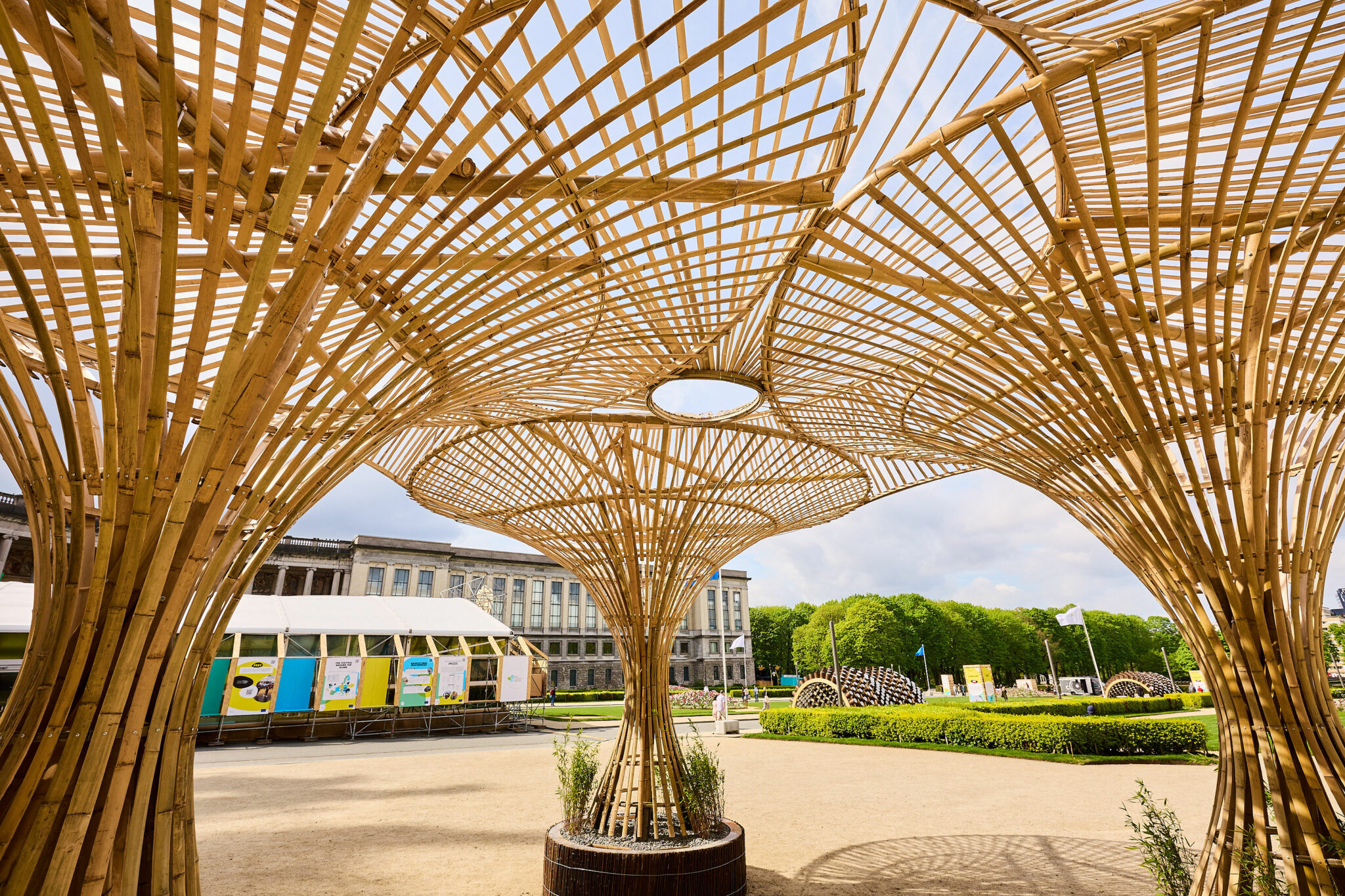
In the current scenario of environmental crisis, education can no longer be limited to the simple transmission of data. For change to happen, we need a proposal that is, above all, cultural and emotional. For this reason, the Green Saga project adopts the principles of the New European Bauhaus (NEB) to make them essential elements of its educational and visual strategy.
But before we go any further, let’s pause briefly to ask ourselves: what exactly is the New European Bauhaus? It is an initiative promoted by the European Union that connects the Green Deal with our living spaces and our daily experiences. At its core, it seeks to reimagine the future by uniting three fundamental pillars: sustainability (respecting the planet and its resources), aesthetics (creating experiences that are beautiful and inspiring beyond functional), and inclusivity (ensuring that no one is left behind and that change involves us all). It is, in a nutshell, an invitation to build a greener, more accessible, and humane future through art and creativity. When we take these principles to the classroom and to reading, the result is a tool that connects, educates and includes. Let’s see how these three pillars manifest themselves in the Green Saga project.
- Aesthetics: Art that Connects andMoves us
For the New European Bauhaus, beauty and aesthetics are not mere ornaments, but fundamental tools to project a cohesive, professional and inspiring image.
In Green Saga, this translates into 15 adventure books designed to be visually appealing, transforming environmental education into an immersive experience. Art and design have the power to transform cold data into warm feelings, connecting the mind with the heart. By combining attractive design with the magic of storytelling, we make saving the planet not feel like a “school assignment” or a “prohibition sermon,” but rather a personal, meaningful journey that fosters hope and reduces environmental anxiety.
- Sustainability: Forging the Future through Action
Sustainability in Green Saga goes far beyond theoretical content; it is the driving force behind every decision the reader makes in the story.
Through interactive narrative, young people cease to be passive spectators to become protagonists. Faced with real-world dilemmas – from climate-smart agriculture to the clean energy transition – young people develop critical thinking and practice decision-making. The project shows them, page by page, that a sustainable future is possible and that they have the power to design it.
- Inclusivity: A Journey Open to All
One of the most innovative aspects of integrating the NEB into Green Saga is our strong commitment to inclusivity and accessibility.
All materials have been designed with every student in mind, specifically including those with Specific Learning Difficulties (SLDs). In addition, this inclusion is reflected in the content of the stories themselves, which feature heroes and role models who are close and diverse: from indigenous leaders like Alice Pataxó to young innovators like Boyan Slat.
To ensure that no one is left behind, the resources have been translated into six languages, allowing the message of climate action to reach a broad community across Europe.
A design for hope
The inclusion of the pillars of the New European Bauhaus in the Green Saga project demonstrates that careful visual design and a powerful narrative are essential tools for social change.
By making climate education aesthetic, inclusive and sustainable, we enable young people to stop feeling paralyzed by uncertainty. We give them the opportunity to leave anxiety and fear behind and start writing, step by step, the future they want to live.