The revolution is possible. Uruguay’s clean energy success story
Through its stories, Green Saga confronts us with choices, with situations that we know well but that sometimes seem distant. It is difficult to feel involved in something that will happen in the future even if that future is not so far away and is often so close as to be “present”. Sometimes, we are discouraged because the problems seem insurmountable, and the bad news that reaches us only increases our anxiety.
We often believe that the situation is already compromised, that climate change is unstoppable and that none of the actions or initiatives that each individual can take are not only insufficient but completely useless. While it is true that glaciers are melting and the sea and coral reefs are being depleted, it is also true that there are people and countries that continue not only to believe that another way is possible, but have taken practical action by implementing choices that are changing life for the better.
Uruguay is a prime example: between 2008 and 2015 it transformed its electricity system and today produces almost 100% of its electricity from renewable sources.
The main choice was to entrust the task to a man of science and not to a politician who, on the contrary, would have tried to please the lobbies of oil and gas producers. Ramón Méndez Galain, former Secretary for Energy and Climate Change, is a physicist and energy expert; he led the energy transformation, succeeding in generating almost all of the country’s electricity from renewable sources. President of REN21, founder of the Asociación Ivy, a non-profit organisation, he was awarded the Carnot Prize in 2023.
Today, he maintains a leading role thanks to the IVY association, with which he promotes and supports Latin American governments towards economic transition, to demonstrate that what has been done is an exportable method.
Uruguay’s energy history was not unlike that of many European and American states, and like many countries in this part of the world, it was not immune to the economic difficulties caused by the various crises that followed. But the response of this small and virtuous state was not only different but farsighted: it initiated a radical transformation of its energy sector under the governments of Tabaré Vázquez (2005-2010; 2015-2020) and José Mujica (2010-2015).
In the late 1990s, the country, which was still considereing nuclear energy the only solution, decided to orient its energy policy toward renewable energy, both to reduce dependence on fossil fuels and to eliminate its carbon footprint.
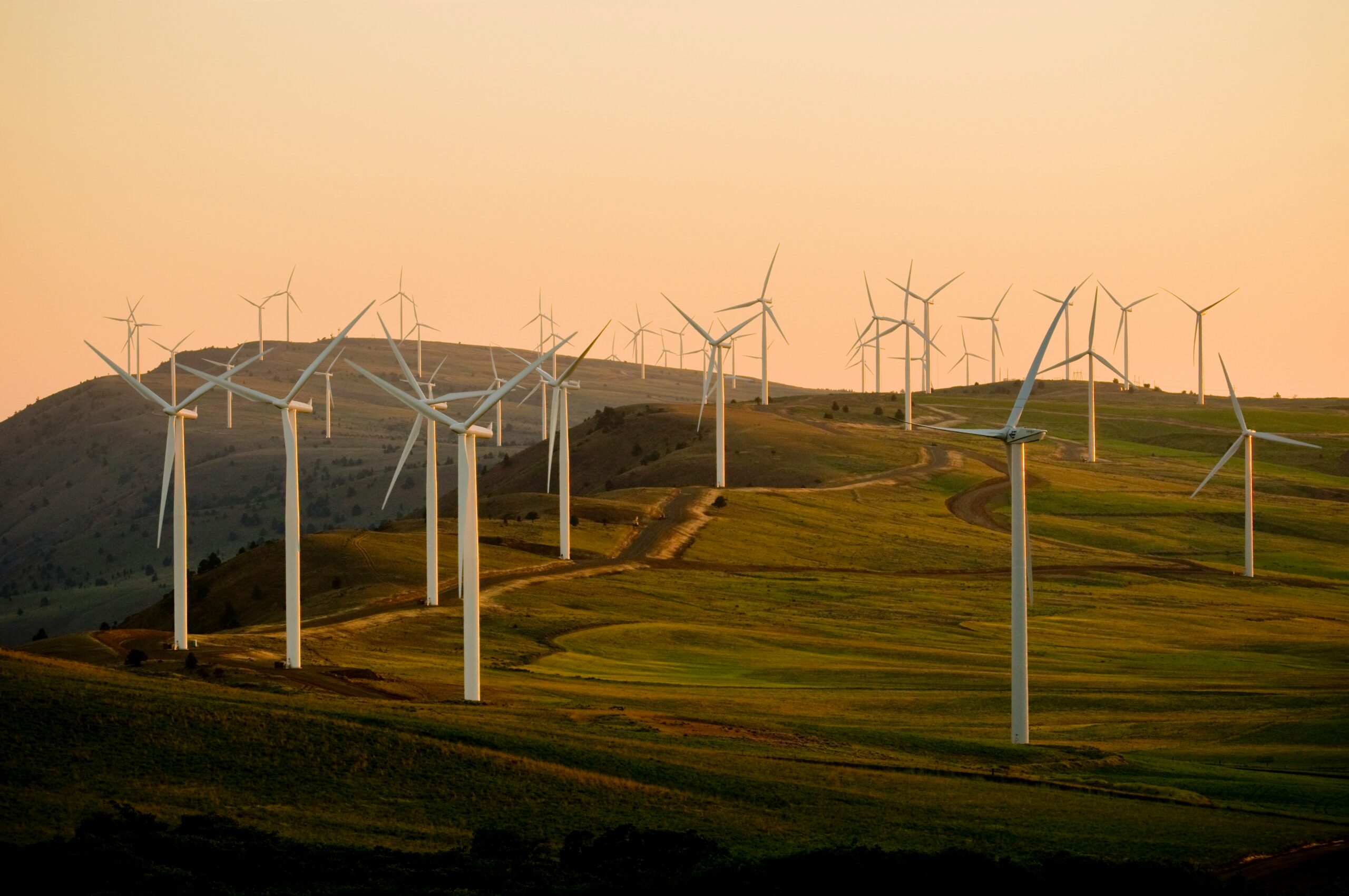
It therefore began a massive investment in wind farms (50.8%) and other renewable energy sources: solar (2.7%), hydroelectric (30.9%), and biomass (15.7%), without heavy government subsidies but above all without burdening consumers, who instead benefited from the change, both in terms of energy costs and environmental impact. In January 2024, Uruguay reached the remarkable milestone of approximately 100% electricity generation from renewable sources, according to the data of Administración del Mercado Eléctrico (ADME).
All this was possible because no change of government canceled the plan or modified its objectives, effectively establishing a “systemic transition” that involved changes to infrastructure and regulations, without providing isolated incentives that we know are not useful, but rather a long-term project with very specific goals and objectives.
Production has exceeded the country’s needs, allowing Uruguay to sell and export the surplus to its neighbors: Argentina and Brazil.
The Uruguayan model has received international acclaim for its efficiency and sustainability, and it continues to focus its resources on innovation and green technologies to maintain and strengthen its successes.
We hope that, beyond the international recognition it has received, countries such as Uruguay can serve as an example to follow.
At a time when several European countries are slowing down some GREEN DEAL measures, political decisions should continue to be guided by scientific evidence rather than by easy political propaganda. Europe, too, can do a great deal. For example, Iceland produces nearly 100% of its electricity from renewable sources, while Norway produces about 98%. However, it is up to us as citizens to demand and push for this change as soon as possible. Uruguay proves that this is possible.
Sources:
https://www.futuroprossimo.it/2025/09/modello-uruguay-100-rinnovabili-niente-miracoli-ha-gia-vinto